Online Safety & Digital Wellbeing
Online Safety and Digital Wellbeing
At St. Margaret’s we believe that every child is Created to Shine. We are committed to helping children grow into confident, responsible and respectful individuals who can flourish. In an increasingly digital world, learning how to use technology safely and positively is an essential part of this journey.
We want our pupils to develop the knowledge, skills and confidence to make good choices online, think critically about digital content and know where to seek help if something does not feel right. By working together with parents and carers, we can create a safe and supportive environment where children are empowered to enjoy the many benefits of technology while protecting their wellbeing.
Useful Websites for Parents
Digital wellbeing refers to the impact that technology and the internet can have on our overall health, happiness and wellbeing. It is about understanding how our online activities influence:
-
Our emotions and feelings
-
Our mental health and wellbeing
-
Our physical health and wellbeing
When used positively, technology can enrich our lives by helping us stay connected, informed and creative. However, it is important that technology supports our wellbeing rather than becoming a source of stress, distraction or anxiety.
While many online experiences are positive, some children and young people may encounter content, communication or situations that can negatively affect their self-esteem, friendships, relationships or mental health. By developing healthy digital habits and maintaining open conversations about online experiences, we can help children enjoy the benefits of technology while staying safe online.
The following websites provide trusted information, advice and practical guidance for parents and carers:
Recommended Online Parent and Carers Resources
-
NSPCC Online Safety Hub
https://www.nspcc.org.uk/keeping-children-safe/online-safety/ -
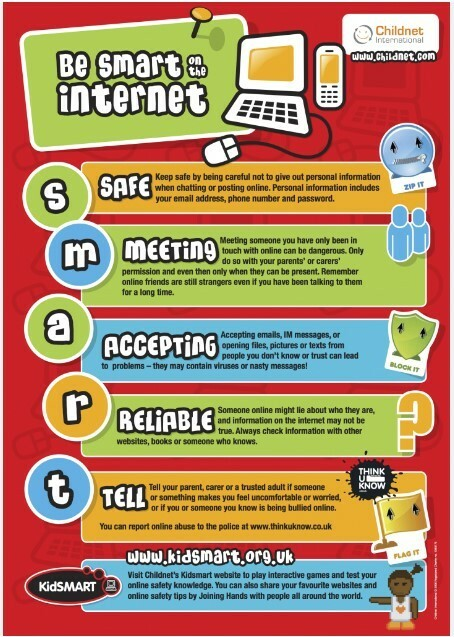
Childnet
https://www.childnet.com/ -
Thinkuknow (National Crime Agency)
https://www.thinkuknow.co.uk/ -
LGfL ParentSafe
https://parentsafe.lgfl.net/ -
eSafety Commissioner Guide
https://www.esafety.gov.au/key-issues/esafety-guide -
eSafety Training
https://esafetytraining.org/ -
BBC Teach Online Safety Resources
https://www.bbc.co.uk/teach/topics/cp440njz78zt -
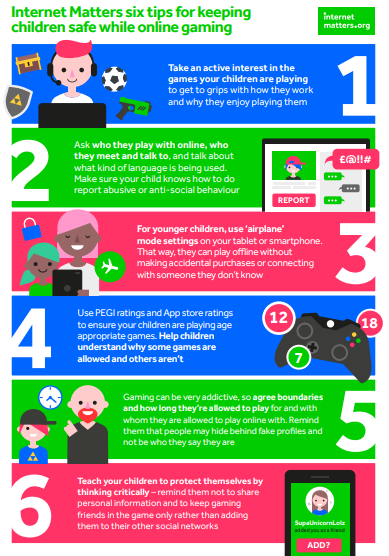
Internetmatters.org
https://www.internetmatters.org/wp-content/uploads/2023/02/DPA-Primary-Age-Online-Safety-V2.pdf
These websites are regularly updated and offer valuable information on current online safety issues, parental controls, social media, gaming, cyberbullying and digital wellbeing.
Virtual Reality (VR) Headsets
Virtual reality headsets are becoming increasingly popular with children and young people. Parent and carers should be aware of the opportunities and potential risks associated with VR technology, including online interactions, privacy settings and age-appropriate content.
For more information, visit:
https://www.nspcc.org.uk/keeping-children-safe/online-safety/virtual-reality-headsets/
How to help reduce screen time
https://www.internetmatters.org/resources/screen-time-tips-to-support-7-11-year-olds/
Resources for Children
Children can use the following age-appropriate resources to learn more about staying safe online, making good choices and knowing what to do if something worries them.
Reception to Year 2
Thinkuknow (Ages 5–7)
Fun activities, stories and games that help younger children learn about online safety.
https://www.thinkuknow.co.uk/5_7/
NetSmartz Kids
Interactive activities, videos and games designed to teach internet safety in a child-friendly way.
https://www.netsmartzkids.org/
Smartie the Penguin
An engaging story from Childnet that helps children understand what to do if something unexpected happens online.
https://www.childnet.com/resources/smartie-the-penguin
Year 3 to Year 6
Thinkuknow (Ages 8–10)
Activities, videos and advice to help children stay safe, confident and responsible online.
https://www.thinkuknow.co.uk/8_10/
Kids Online World
Advice and support for children and young people on topics including online safety, cyberbullying and responsible use of technology.
https://www.kidsonlineworld.com/children--young-people.html